Essense of Japan @SELECTSHOP FRAME
Dubai Design District, R03, G-Floor,Building 7
Restaurant timings: 12PM to 11PM
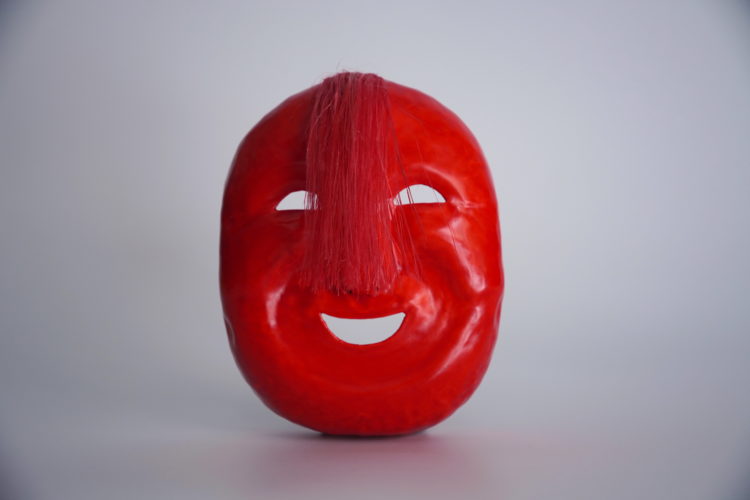
Syoujyo YANAGIYA REPRODUCT
Syoujyo
The Kirin lion dance performed during festivals of Inaba shrines around Tottori City is unique. The Kirin lion has a single horn on its head, a long face similar to a dragon, crescent moon-shaped eyes, and is decorated with gold leaf. There is no singing.
The dance is performed fluidly to the accompaniment of flutes, drums, and sleigh bells. It is very mysterious. The dance of the Kirin lion follows the dance of the Shōjō mythical primate to purify the path of the portable shrine and prevent epidemics. The Kirin lion and the Shōjō mythical primate wear red cotton coats, pants, and a turmeric-colored obi.
YANAGIYA REPRODUCT
“Yanagiya” was a workshop that produced local toys in Tottori City, Tottori Prefecture, from 1928 to 2014, for 86 years. The name of the shop comes from a proverb, “Yanagi ni yukikore nashi,” which means “the willow tree does not break under the weight of snow.”
The first generation, Tatsunosuke Tanaka, created original toys based on the history and legends of Inaba, while also working to restore extinct toys. With his wife, Toshiko, he conducted research and production. Their daughter and son-in-law inherited the spirit of the shop’s name, and over 50 types of toys, including paper-mâché masks, clay whistles, and wooden dolls, were produced.
In 2020, “Yanagiya REPRODUCT” was launched, where new craftsmen learn the same techniques from the second generation, Kinji and Miyako Tanaka, and continue to produce Yanagiya’s toys.
Available at Minpaku Museum Shop
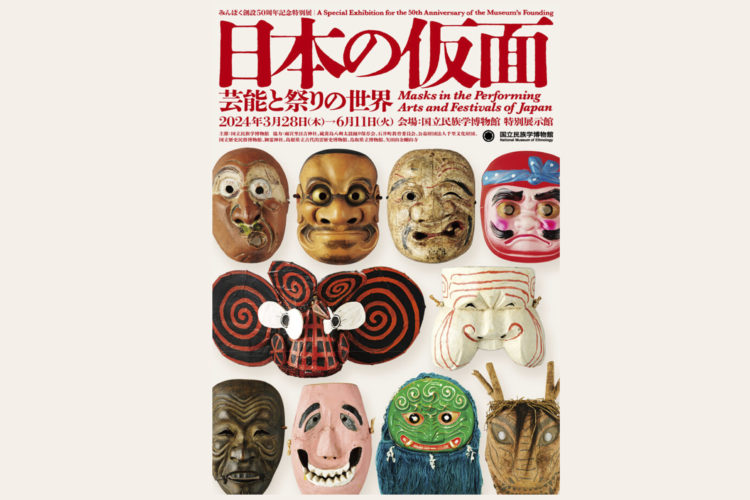
Held at the Special Exhibition Hall, National Museum of Ethnology
Minpaku’s 50th Anniversary Special Exhibition “Japanese Masks: The World of Performing Arts and Festivals
In conjunction with this special exhibition, YANAGIYA REPRODUCT papier-mâché masks and ko-ma’s local toy pins and magnets are available for purchase at the Minpaku Museum.
https://www.minpaku.ac.jp/exhibition/special
565-0826, Senri-Manpaku, Suita City, Osaka, Japan
10-1 Senri Banpaku Koen, Suita City, Osaka, Japan